
Karlovy Vary Colonnades History: Discover Their Famous Past
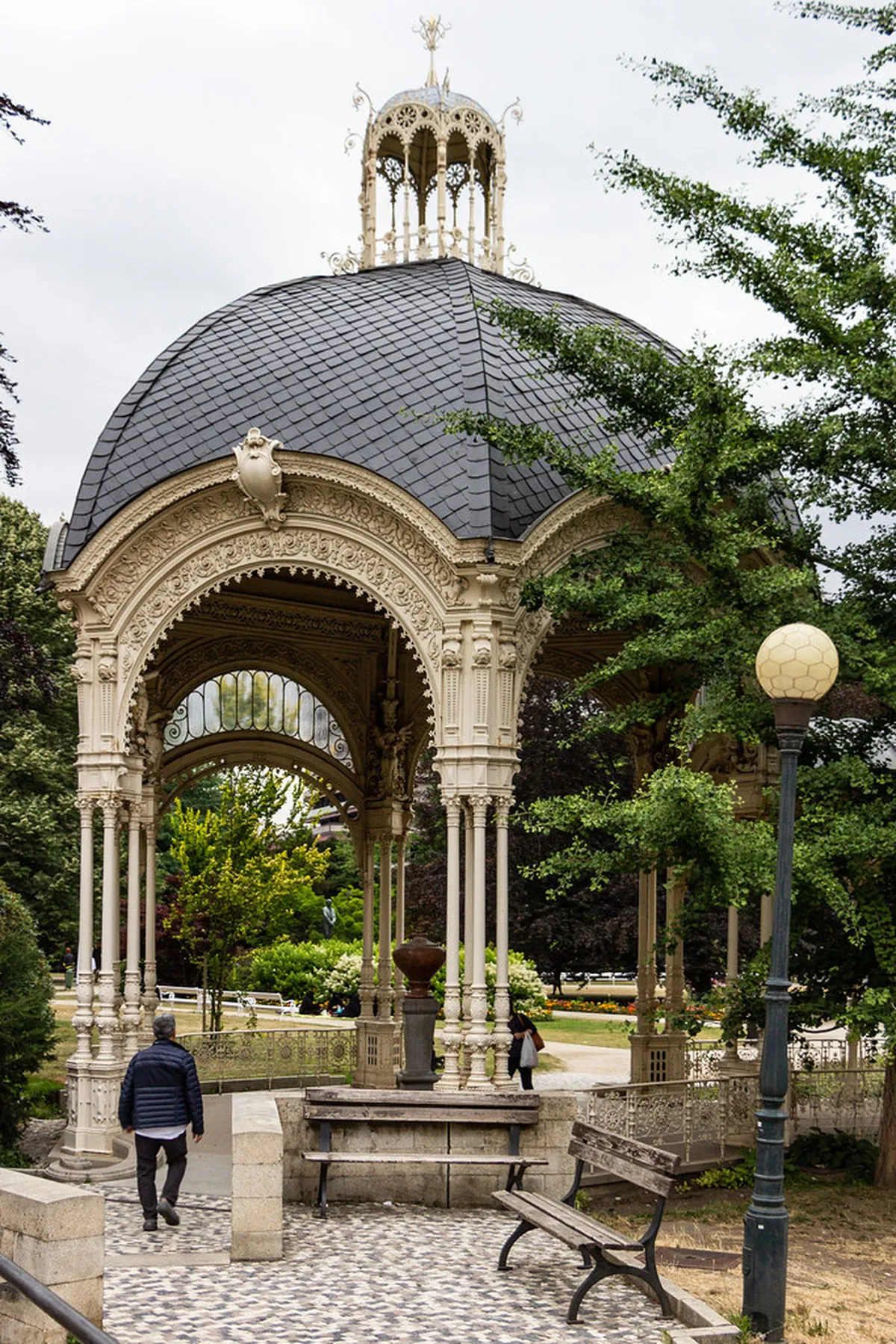
Table of Contents
Explore the Rich History of Karlovy Vary Colonnades
Karlovy Vary, a jewel in the Czech Republic, is famous for its healing thermal springs. Visitors come from around the globe. Many also seek to discover famous Karlovy Vary colonnades history. These beautiful structures protect the precious mineral water sources. They offer a unique journey through time and architectural beauty.
The city's unique spa culture centers around these impressive colonnades. Each one tells a story of elegance and therapeutic tradition. Exploring them reveals centuries of European spa heritage. Prepare to walk in the footsteps of royalty and famous artists.
The Beginnings of Karlovy Vary Spa Culture
Karlovy Vary's history dates back to the 14th century. Emperor Charles IV reportedly discovered the healing springs. He established the spa town, drawing early visitors. Initial spa treatments involved bathing directly in the hot springs.
Over centuries, the practice of drinking the water emerged. This shift required structures to protect the springs. Simple wooden shelters were first built. These early designs provided basic cover for spa guests. They marked the start of the city's colonnade tradition.
Early spa-goers valued the springs' therapeutic properties. The demand for comfort and shelter grew significantly. This led to more elaborate and permanent constructions. The colonnades became central to the Karlovy Vary experience. They continue to be vital in 2025.
Architectural Evolution of Famous Colonnades
The 18th and 19th centuries saw a boom in Karlovy Vary's popularity. Wealthy visitors sought cures and relaxation. This period brought grand architectural designs. Many of the iconic colonnades were built during this era.
Different styles reflect varying periods of construction. You can see Neoclassical and Art Nouveau influences. The structures often feature ornate details and graceful columns. They were designed to impress and provide shelter. Each colonnade offers a unique visual experience.
For example, the Mill Colonnade showcases a majestic Neoclassical style. It features over 120 columns. The Market Colonnade offers intricate wooden lacework. It feels wonderfully charming and historic. These distinct designs add to the city's character. Consider an architecture walking tour to appreciate them fully.
Key Karlovy Vary Colonnades and Their Stories
Each major colonnade holds its own unique historical significance. The Mill Colonnade (Mlynska Kolonada) is arguably the grandest. It houses five mineral springs under one roof. Its construction finished in 1881, designed by Josef Zítek.
The Market Colonnade (Trzni Kolonada) stands out with its beautiful wooden design. It covers the Charles IV spring. This charming structure dates back to 1883. It evokes a nostalgic, fairytale atmosphere. Many find it particularly picturesque.
The Hot Spring Colonnade (Vřídelní Kolonada) is quite modern. It encloses the Vřídlo, Karlovy Vary's most powerful spring. The current structure, built in 1975, offers a stark contrast. It allows visitors to view the geyser-like eruption. This spring's temperature reaches 72°C (162°F).
The Park Colonnade (Sadova Kolonada) links two important springs. It provides a peaceful stroll through the park. Designed by Fellner and Helmer, it blends into nature. This colonnade connects to the stunning Karlovy Vary hot springs. They are a must-see for all visitors.
Visiting Karlovy Vary's Colonnades in 2025
⭐ Recommendation: Don't miss out on amazing Karlovy Vary tours - book now!
Exploring the colonnades remains a highlight of any Karlovy Vary visit. They are mostly open year-round, 24/7, for public access. You can collect water directly from various springs. Purchase a traditional spa cup (lázeňský pohárek) beforehand.
There is no entrance fee to walk through the colonnades. Drinking the mineral water is also free of charge. However, always consult a doctor if you plan therapeutic consumption. Each spring has slightly different mineral content and temperature. For detailed information on specific colonnades, check out our Mill Colonnade guide.
Plan at least half a day to leisurely explore them all. Wear comfortable shoes for walking between sites. The colonnades are central to the historic spa town. They offer incredible photographic opportunities. Take your time to appreciate their beauty and historical weight.
Frequently Asked Questions
🌟 Local Expert Tip: Get the most out of your Karlovy Vary visit with guided tours!
What is the historical significance of Karlovy Vary's colonnades?
Karlovy Vary's colonnades hold immense historical significance. They were built to protect the city's precious thermal springs. These structures allowed visitors to comfortably drink the healing waters. They evolved from simple shelters to grand architectural marvels. They represent centuries of European spa tradition and architectural styles.
Which are the most famous historical colonnades in Karlovy Vary?
The most famous historical colonnades include the Mill Colonnade and Market Colonnade. The Mill Colonnade is renowned for its Neoclassical grandeur. The Market Colonnade is admired for its intricate wooden design. The Hot Spring Colonnade, though modern, covers the city's main geyser. These sites draw countless visitors in 2025.
Can I drink water from the springs in the Karlovy Vary colonnades?
Yes, you can drink water from the springs within the colonnades. Many visitors purchase a special spa cup for this purpose. Each spring offers slightly different mineral compositions. It is generally recommended to consume in moderation. Always consult a healthcare professional for therapeutic advice.
Karlovy Vary's colonnades are more than just architectural wonders. They are living testaments to centuries of spa culture and healing traditions. Discover famous Karlovy Vary colonnades history by walking through these magnificent structures. Experience the therapeutic waters and rich heritage for yourself. Begin planning your memorable trip to this Czech Republic gem today.
Key Takeaways
- Karlovy Vary's colonnades have protected healing springs since the 14th century.
- Each colonnade features unique architectural styles, from Neoclassical to modern.
- Visiting them is free; bring a spa cup to taste the famous mineral waters.
Related reads: oldtownguidebook.com.