
Great Synagogue Plzeň History: A Czech Masterpiece
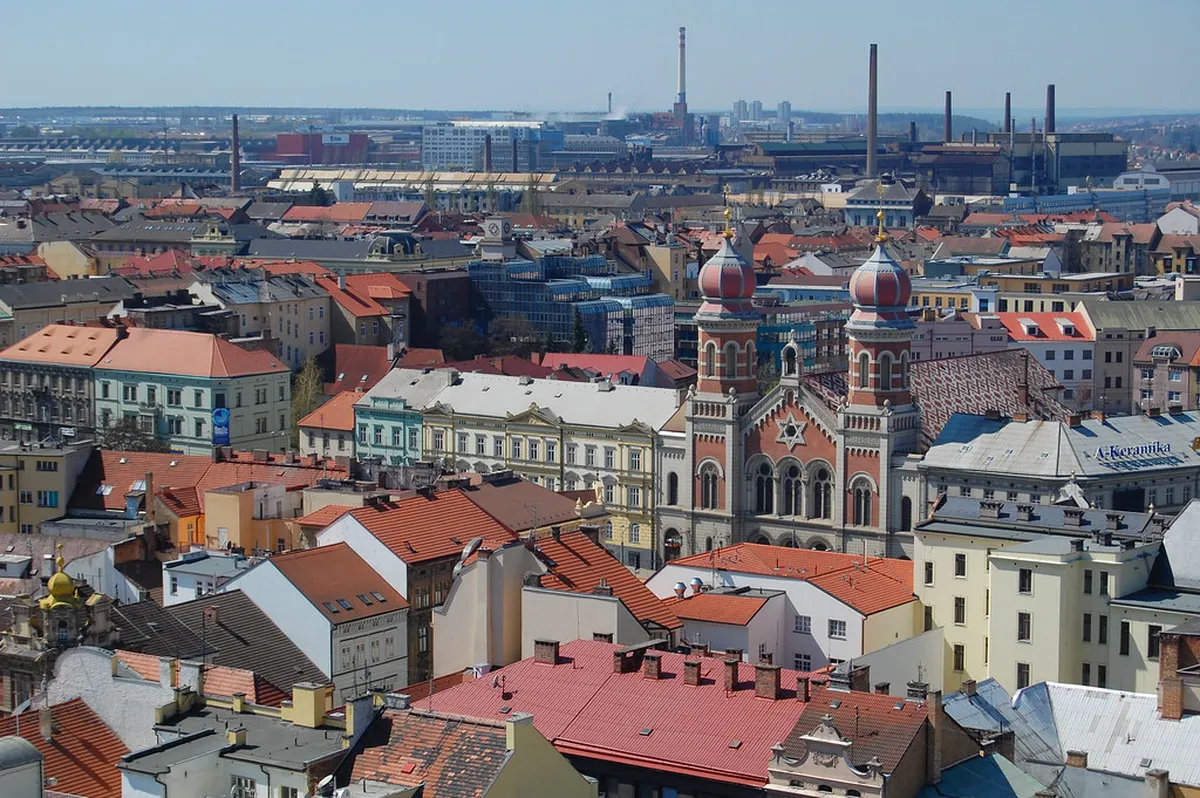
Table of Contents
Unveiling the Great Synagogue Plzeň History and Legacy
The Great Synagogue Plzeň stands as a powerful symbol of endurance. It is Europe's second-largest synagogue by capacity. This architectural marvel boasts a fascinating and complex past. Exploring its Great Synagogue Plzeň history reveals stories of faith and survival.
Visiting this landmark offers a unique journey through time. You will discover its grand construction and its miraculous survival. Learn about its rebirth as a vibrant cultural center. Get ready to explore Plzeň's Old Town, starting with this iconic structure.
A Grand Beginning: Constructing Plzeň's Great Synagogue
The Jewish community in Plzeň flourished in the late 19th century. They needed a larger, more magnificent place of worship. Architect Emanuel Klotz designed this ambitious project. His original plans featured towering spires for the synagogue.
Local authorities objected to the design's height. They believed it would overshadow nearby St. Bartholomew's Cathedral. Klotz adjusted his plans significantly. He reduced the height of the spires to appease the city council. The construction began in 1890, after these revisions.
The synagogue officially opened its doors in 1893. Its design blends Romanesque and Moorish styles. This combination creates a truly distinctive appearance. The Great Synagogue Plzeň quickly became a proud symbol of the city's Jewish population. It reflected their growing prosperity and integration.
Architectural Splendor and Pre-War Jewish Life
The Great Synagogue's interior is equally impressive. A massive central nave provides seating for thousands. The women's galleries arc gracefully above. Richly decorated arches and intricate stained-glass windows captivate visitors. Sunlight streams through vibrant panes of color.
Beyond its beauty, the synagogue was the heart of Jewish life. It hosted daily services and important community events. Weddings, bar mitzvahs, and festivals filled its halls. It served as a gathering place for education and social support.
Plzeň's Jewish community thrived for decades. They contributed significantly to the city's culture and economy. The synagogue stood as a testament to their presence. It represented a vibrant and active part of Plzeň's rich history. Visitors today can still sense this legacy.
Survival During World War II: A Fortunate Fate
The Nazi occupation brought unimaginable horrors to Plzeň's Jewish community. Many were deported to concentration camps. Over 2,000 Jewish residents from Plzeň perished during the Holocaust. The synagogue itself faced an uncertain future.
Miraculously, the Great Synagogue Plzeň avoided total destruction. It was spared for an unusual reason. The German army used it as a storage facility. They stored valuable items confiscated from Jewish homes. This practical use inadvertently preserved the building.
Other synagogues across Europe were often destroyed. Plzeň's synagogue survived due to this mundane purpose. Its sturdy structure protected the building's integrity. This survival story remains a poignant part of its remarkable history.
Years of Silence: Post-War Decline and Neglect
🎯 Insider Tip: Discover the best Prague experiences with Viator Tours!
After World War II, a small Jewish community returned to Plzeň. They were a fraction of their former size. The Great Synagogue was partially used for services. However, its immense size proved challenging to maintain.
The Communist regime took power in Czechoslovakia. Religious life was heavily suppressed. The state seized many religious properties. They allowed minimal funds for upkeep. The synagogue slowly fell into disrepair over decades.
Its grand interior began to deteriorate. Water damage and neglect took their toll. The once vibrant cultural hub became a silent, decaying shell. This period marked a dark chapter in the Great Synagogue Plzeň history. The future of this magnificent building looked bleak.
A New Chapter: Restoration and Cultural Revival
After the Velvet Revolution in 1989, new hope emerged. Efforts began to save the crumbling structure. International donors and local initiatives joined forces. The goal was to restore the synagogue to its former glory.
A massive restoration project started in the 1990s. Skilled artisans painstakingly repaired intricate details. They restored the stained glass, frescoes, and seating. The work respected its historical accuracy. The synagogue slowly regained its original splendor.
Reopened in 1998, the Great Synagogue Plzeň now serves a dual purpose. It functions as a house of worship for the small local Jewish community. More prominently, it is a significant cultural venue. It hosts concerts, exhibitions, and educational events. Learn more about the current exhibitions during your visit.
Plan Your Visit: Experiencing Plzeň's Great Synagogue Today
Visiting the Great Synagogue in Plzeň is a must for any traveler in 2025. It is located at Sady Pětatřicátníků 11. The synagogue is easily accessible from the city center. You can walk there from Republic Square in just a few minutes.
The synagogue typically opens from 10:00 AM to 5:00 PM. It is usually closed on Saturdays and Jewish holidays. Always check the official website for the most current hours. These can vary based on the season or special events.
Ticket prices are affordable for most budgets. Adults pay around 100 CZK (approximately 4 EUR/USD). Reduced fares are available for students and seniors. Family tickets offer even better value. Find detailed Great Synagogue Plzeň ticket prices online. Your ticket often includes access to all current exhibits.
Inside, explore the stunning main hall. Visit the small museum detailing Jewish history in Plzeň. Special guided tours are sometimes available. Consider attending a concert for an unforgettable experience. The acoustics inside are truly exceptional.
Frequently Asked Questions
When was the Great Synagogue Plzeň built and completed?
The Great Synagogue Plzeň began construction in 1890. It was successfully completed and officially opened in 1893. This made it a relatively quick build for its size.
What architectural style does the Great Synagogue Plzeň feature?
The synagogue prominently features a blend of Romanesque and Moorish architectural styles. This unique combination gives it a distinctive and majestic appearance. It sets it apart from many other synagogues in Europe.
How did the Great Synagogue Plzeň survive World War II?
The Great Synagogue Plzeň survived WWII because it was used as a storage facility. The Nazi army stored confiscated Jewish property inside. This practical purpose saved it from deliberate destruction. Many other synagogues were sadly demolished.
Is the Great Synagogue Plzeň still an active place of worship?
Yes, the Great Synagogue Plzeň remains an active place of worship. The small local Jewish community still holds services there. It primarily functions as a major cultural venue today. It hosts concerts, art exhibitions, and other public events. You can also join Plzeň walking tours that include the synagogue.
The Great Synagogue Plzeň history is a testament to resilience. It rose from an ambitious vision. It endured through immense adversity. Today, it stands as a beautiful cultural landmark. It honors a vital part of Plzeň's heritage.
Make sure to include this extraordinary site in your 2025 travel plans. Experience its grandeur and understand its profound story. Visiting contributes to its continued preservation. Explore this unique gem among Plzeň's museums and attractions.
Key Takeaways
- The Great Synagogue Plzeň is Europe's second-largest synagogue by capacity.
- It survived WWII by being repurposed as a Nazi storage facility, avoiding destruction.
- Today, it serves as both a synagogue and a vibrant cultural center, hosting concerts and exhibitions.
- Its architecture blends Romanesque and Moorish styles, making it visually unique.
- Visitors can explore its history and enjoy cultural events in 2025.