
Charles Bridge History: Prague's Iconic Medieval Gem
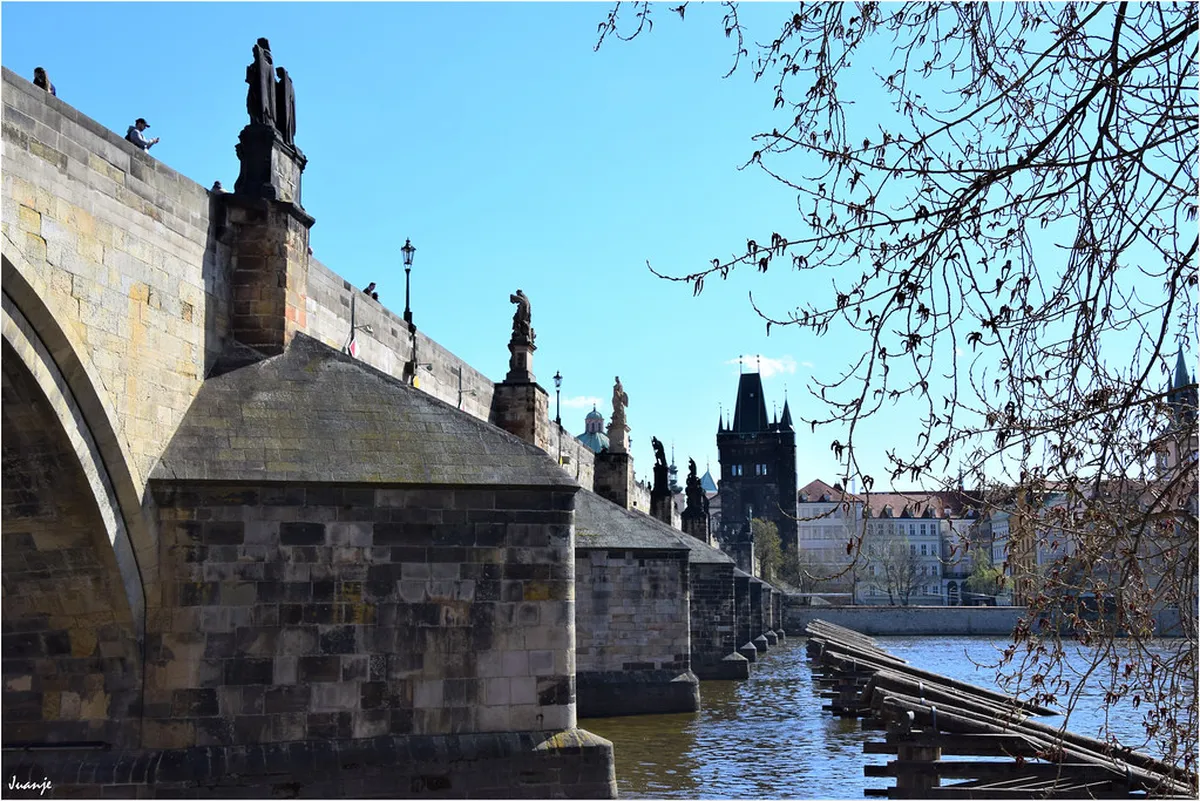
Table of Contents
Discover the Rich History of Charles Bridge in Prague
The history of Charles Bridge in Prague is truly captivating. This iconic structure spans the beautiful Vltava River. It connects Prague's historic Old Town with Lesser Town. The bridge stands as a testament to medieval engineering and artistry. Millions of visitors admire its grandeur each year in 2025. Discover more about the city in our Old Town guide to Prague. Get ready to uncover its incredible past.
The Foundations: From Judith Bridge to Charles IV
Before Charles Bridge, the Judith Bridge served Prague. It was a Romanesque stone bridge built in the 12th century. Unfortunately, a devastating flood destroyed it in 1342. This left Prague without a vital river crossing for many years.
King Charles IV envisioned a grander, stronger replacement. He laid the foundation stone for a new bridge. This historic event happened on July 9, 1357, at 5:31 AM. This specific time was chosen for its auspicious astrological alignment.
The construction involved master builder Petr Parléř and his team. They used Bohemian sandstone, known for its durability. Legend says eggs and milk were mixed into the mortar. This technique aimed to strengthen the bridge's resilience. These materials made the structure incredibly robust.
The bridge construction took many decades to complete. It was a massive undertaking for its time. This dedication ensured its lasting legacy. The bridge finally opened around the turn of the 15th century.
Architectural Marvels and Baroque Transformations
The original Charles Bridge featured a simpler design. It was primarily a functional transport route. Its impressive Gothic arches showcased medieval craftsmanship. Each arch was carefully constructed to withstand river forces.
The Old Town Bridge Tower stands prominently at one end. This magnificent Gothic tower served dual purposes. It functioned as a strong defensive fortification. It also provided a ceremonial entrance to the bridge itself.
Over time, the bridge underwent significant artistic changes. Beginning in the late 17th century, Baroque statues were added. These sculptures transformed the bridge into an open-air gallery. They depicted various saints and religious figures.
Today, 30 statues adorn the bridge's balustrade. Each one tells a unique story. The most famous include St. John of Nepomuk and the Holy Cross. Learn more about the meaning behind Charles Bridge statues before your visit.
Charles Bridge Through Wars and Floods
The history of Charles Bridge includes many conflicts. It served as a critical defensive point. Battles were fought directly on its surface. The bridge bore witness to numerous sieges and skirmishes.
Major floods repeatedly tested the bridge's strength. The Vltava River sometimes swelled over its banks. Damage occurred, but the bridge always recovered. Repair efforts were always swift and thorough.
In 1648, the Swedish army attacked Prague. Intense fighting took place on the bridge. The Old Town Bridge Tower suffered significant damage. This event highlights the bridge's strategic importance. Explore more about Prague's medieval history.
Despite challenges, the bridge survived for centuries. It stands as a symbol of Prague's resilience. Its strong construction proved enduring. These historical events further solidified its legendary status.
Preservation Efforts and Modern Legacy
⭐ Recommendation: Don't miss out on amazing Prague tours - book now!
Throughout its history, Charles Bridge required constant care. Extensive renovations have maintained its structure. Major repairs took place in the early 20th century. These works reinforced the bridge's foundations.
More recent preservation efforts focus on the statues. Pollution and weather cause gradual deterioration. Many original sculptures are now in museums. Replicas have replaced them on the bridge for public viewing.
The bridge remains a car-free pedestrian zone. This protects its historic fabric. It allows millions of visitors to enjoy its beauty safely. Respectful tourism helps preserve its charm.
Today, Charles Bridge is one of Prague's top attractions. Artists, musicians, and vendors line its path. It connects past and present seamlessly. Its legacy continues to inspire travelers worldwide in 2025.
Frequently Asked Questions
When was Charles Bridge constructed?
Charles Bridge construction began on July 9, 1357. The foundation stone was laid by King Charles IV. It took many decades to complete. The bridge was finished around the early 15th century.
Who was the main architect of Charles Bridge?
The master builder Petr Parléř oversaw the bridge's construction. He was a renowned German architect. Parléř is also famous for designing St. Vitus Cathedral. His vision created this engineering marvel.
What is the significance of the Charles Bridge statues?
The statues represent various saints and historical figures. They were added during the Baroque period. Each statue has a unique story or legend associated with it. Rubbing certain statue plaques is said to bring good luck. These figures add deep cultural and religious meaning. Discover more Prague attractions in our guide to Prague Old Town highlights.
How long is Charles Bridge in Prague?
Charles Bridge stretches approximately 516 meters (1,693 feet) in length. It is also about 9.5 meters (31 feet) wide. The bridge features 16 impressive arches. These dimensions make it a truly grand structure.
The remarkable history of Charles Bridge in Prague unveils centuries of stories. From its royal origins to enduring floods and battles, it has stood firm. It remains a magnificent symbol of Prague's rich heritage. Plan your journey to explore this historic masterpiece in 2025. Immerse yourself in its timeless beauty and captivating past.
Key Takeaways
- Charles Bridge replaced the earlier Romanesque Judith Bridge.
- King Charles IV initiated its construction in 1357.
- The bridge features 30 significant Baroque statues.
- It withstood numerous floods and conflicts over centuries.
- Visit early mornings or late evenings for a more peaceful experience.